Zen Pinball
- 4.3
- Rating
- 5.00M
- Installs
- Free
- Price

 Analysis by App-foxy
Some games ask for a quiet room, a long explanation, and a serious time commitment before they become enjoyable. Zen Pinball takes the opposite route. I can open it, start a table, and understand the basic pleasure almost immediately: launch the ball, keep it moving, react quickly, and try to improve the next attempt. That directness is the reason I keep coming back to it, especially when I only have a few spare minutes.
Developed by Zen Studios Ltd., this free arcade game has been available since November 29, 2011. Its long life is easy to understand once you play it. The pinball action is familiar enough for anyone to pick up, but the tables offer enough targets, hazards, and changing objectives to make each round feel more involved than simply bouncing a ball between flippers. With an average rating of 4.3 from around 101 thousand ratings and over 5 million installs, it has clearly found a broad audience without losing its straightforward identity.
Why the first few minutes work so well
The strongest part of the experience is the immediate loop. There is no need to learn a complicated control scheme before the game becomes entertaining. On a touchscreen, the most important actions are simple taps on the left or right side of the play area, and the response feels natural because it matches the physical idea of controlling flippers. I do not need to think about menus or character abilities before making my first meaningful decision.
You May Also Like

 Blood Strike: 2.5 Anniversary
Blood Strike’s Loadouts Turn Every Drop Into a Tactical Gamble
A close look at Blood Strike’s custom loadouts: how fast access to signature weapons reshapes its battle royale rhythm, rewards preparation, and narrows the gap between fights.

 Pandora - Music & Podcasts
Pandora’s Music Is Easy to Start, but Harder to Recover
Pandora’s strength is its low-effort path from a seed to a station. Its weak spot is how much confidence it asks you to place in connection, setup, and quiet recovery.

 8 Ball Pool
 Is Built on Rivalries, Rematches, and Routine
A close look at the rivalries, rematches, shared routines, and unanswered safety questions that turn a quick pool match into a persistent mobile community.

 Samsung Music
’s Quiet Strength Is Playing What You Already Own
Its reach comes less from spectacle than from dependable access to a personal library. That simplicity is both the app’s strongest retention engine and its ceiling.

 AccuWeather: Weather Radar
AccuWeather Review: A Quick, Clear Forecast for Everyday Decisions
For everyday plans, the best forecast is the one you can understand quickly. AccuWeather makes rain timing, radar, and local conditions easy to act on, with a few trade-offs.

 Hill Climb Racing
Why Hill Climb Racing Still Turns Crashes Into One More Run
A tiny car, a bumpy hill and one more upgrade: Hill Climb Racing keeps resurfacing because its simple chaos makes every near-miss feel personal.
More From Our News Desk



That simplicity does not make every shot easy. The ball can move quickly, and a small delay in my reaction can end a run. At the same time, the game gives me enough visual information to understand why I succeeded or failed. If I miss a flipper, I usually know it was my timing rather than a mysterious rule. This makes another attempt feel worthwhile instead of frustratingly random.
I especially like the way the game creates a small sense of urgency without demanding full concentration for a long period. A round can be exciting from the first launch, but I am not required to prepare for a lengthy campaign or remember a complicated story. That makes it a good fit for a waiting room, a short break, or the few minutes before leaving home.
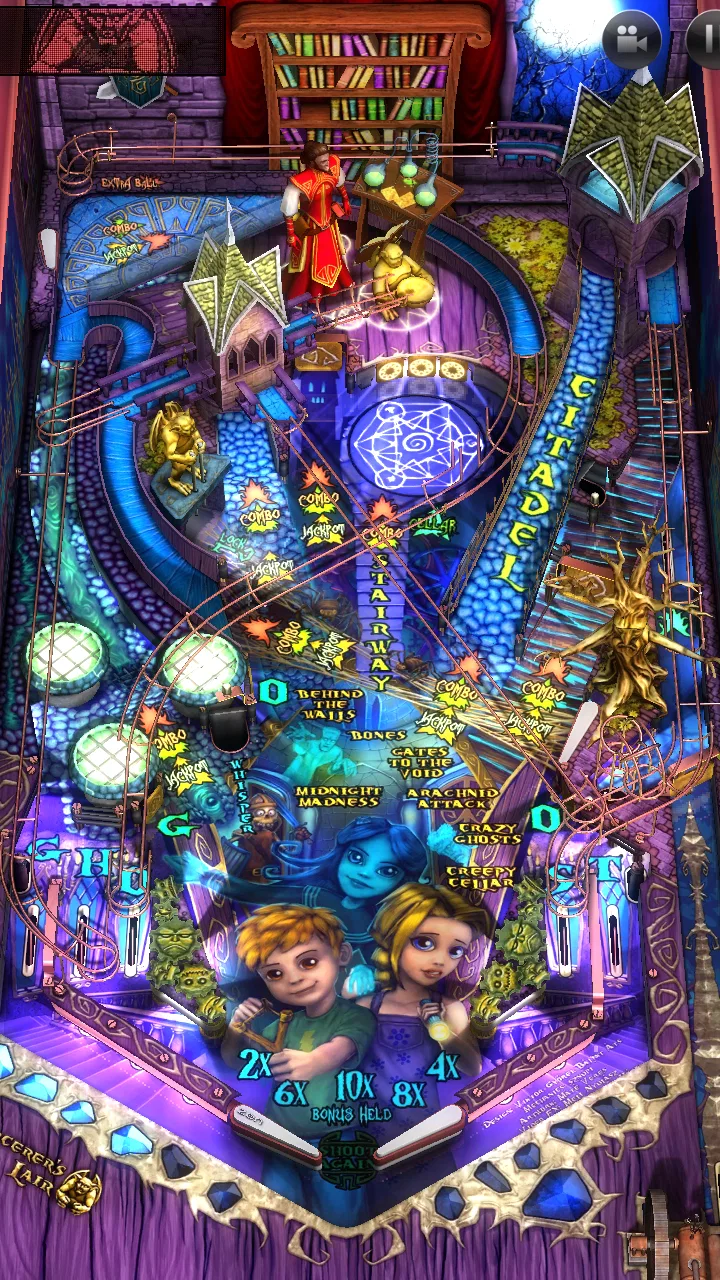
The arcade presentation also helps the game feel more substantial than a basic digital pinball toy. Lights, sounds, moving targets, and table objectives give my attention somewhere to go beyond keeping the ball alive. I can play defensively and focus on saving the ball, or take riskier shots when I want to chase a better result. That choice gives the short sessions a little personality.
A control style that suits brief play
Touch controls are both the game’s greatest convenience and one of its compromises. They let me play almost anywhere without carrying extra equipment, but they do not provide the same physical feedback as a real pinball machine. There is no tactile button telling me exactly where my finger is, so I sometimes rely more on visual timing than instinct.
For a phone, I find the controls comfortable once I stop trying to imitate a real machine too precisely. I watch the ball, keep my fingers ready near the edges, and avoid covering too much of the table. On a larger screen, the action is easier to see, but holding the device for a long time can become less comfortable. This is a game I prefer in short bursts rather than as a long continuous play session.
One useful habit is to treat each launch as a small experiment. Instead of immediately trying to hit the most attractive target, I watch how the ball behaves after the first contact. That tells me which flipper is likely to matter next and helps me avoid frantic tapping. It sounds minor, but this approach makes the game feel more skillful and less like a sequence of desperate reactions.
The rhythm of a typical session
A normal session has a pleasing rise and fall. The opening seconds are about getting comfortable with the ball’s speed. Then I start aiming for targets, building confidence, and taking more risks. If the ball enters a difficult area, the pace becomes tense. When it finally drains, I usually feel ready to try again rather than exhausted.
This rhythm is why the game works better for me than many arcade alternatives that rely on constant speed increases or endless visual noise. The tension comes from the table and my decisions, not only from the game becoming faster every few seconds. I can have a calm round focused on control, followed by a more aggressive attempt where I chase difficult shots.
There is also a useful difference between playing for survival and playing for improvement. When I am distracted, I can simply try to keep the ball in play. When I have more attention available, I can study the table and work toward better routes. The same round structure supports both moods, which is a valuable quality in a game designed for casual access.
My favorite everyday use is a short break when I do not want to start something that will punish me for leaving. I can play a round, put the phone down, and return later without feeling that I abandoned a team, missed a conversation, or wasted a carefully prepared setup. That low commitment is more important than it may sound. Many mobile games are easy to open but difficult to leave; this one is much more comfortable with interruption.
Returning after an interruption
For me, interruption tolerance is one of the clearest reasons to choose this game. A pinball round has a natural boundary, so I can decide to stop after a ball drains or after a short attempt. I do not need to schedule a long block of time just to make progress. If I have only a moment, I can still enjoy the central action without feeling that I am playing an incomplete version of the game.
That said, a live round is not the same as a pause-friendly puzzle or a turn-based game. If I put the phone away at the wrong moment, the ball may still be moving or the table may be in the middle of an event. I therefore prefer to stop between attempts rather than assume every situation can be frozen safely. This is a small but important distinction for anyone who wants a game that can be interrupted at any second.
The best workflow is simple: finish the current exchange, wait for a clear transition, and then leave. I find that this keeps the game from becoming stressful during a busy day. It also prevents the common mistake of reopening the app immediately after a poor result just because the previous attempt ended abruptly. A deliberate pause makes the next session feel like a choice rather than a reflex.
Because the basic controls are so easy to remember, returning after several hours or even several days does not require a refresher. I do not have to reconstruct a build, recall a quest, or relearn a chain of abilities. I can begin with the same small objective I had before: make the next shot better. That makes it particularly suitable for people who play irregularly.
What keeps the game from feeling disposable
The main source of replay value is not a traditional story. It is the desire to understand the table more completely and improve personal performance. Targets that looked decorative during the first attempt become meaningful once I notice how they shape the ball’s route. I start remembering dangerous areas, useful flipper positions, and moments when a safer shot is smarter than an ambitious one.
This learning curve is subtle. The game does not need to explain every improvement in a long tutorial because the table itself teaches me through repetition. I notice patterns by playing. A failed attempt can reveal that I was aiming too aggressively, reacting too late, or ignoring the position of the other flipper. That kind of feedback is more satisfying to me than an upgrade screen that simply makes the next round easier.
Still, repetition is also where the game’s limitations become visible. If I am not interested in chasing higher scores or mastering table behavior, the basic loop can begin to feel familiar. The pleasure comes from refinement, not from a constantly changing set of activities. Players who need a strong stream of new levels, characters, or story events may find the structure too focused.
I would not recommend approaching it as an endless content game. I recommend approaching it as a skill game with a generous number of small replays. That expectation matters. The question is not whether every attempt will feel completely new; it is whether I enjoy making tiny improvements within a recognizable system. When the answer is yes, the replay value is strong. When the answer is no, the free entry point will not solve that problem.
Free access and optional spending
The game is free to download, which makes it easy to test without committing money first. In-app purchases range from $0.99 to $13.99 per item. I see that arrangement as a practical advantage for curious players, but it also means the full experience may invite spending beyond the initial download.
My advice is to decide what kind of player you are before buying anything. If you only want a quick arcade diversion, the free starting experience may be enough to tell you whether the controls and pacing suit you. If you become invested in exploring more of what Zen Pinball offers, set a personal limit before browsing optional content. That keeps the game enjoyable instead of turning every return session into a shopping decision.
The purchase structure also affects who should skip it. Someone looking for a completely self-contained pinball game with no temptation to expand the experience may prefer a paid alternative with a single upfront cost. On the other hand, a player who wants to sample the format first may appreciate being able to start free and decide later.
I also would not choose this as a replacement for a real pinball cabinet. Physical machines provide weight, sound, shared space, and tactile control that a phone cannot reproduce. Zen Pinball is better understood as portable arcade entertainment: convenient, responsive, and available whenever the phone is nearby, but necessarily more abstract than standing in front of a machine.
How it compares with other quick arcade choices
Compared with endless runners, this game is less about maintaining a constant forward motion and more about reading a compact playfield. That makes it calmer in some moments and more demanding in others. I have more control over the kind of risk I take, but I also have less room for recovery when the ball heads toward an outlane.
Compared with simple score-chasing tap games, it offers more depth because the table layout matters. A good result depends on timing, positioning, and recognizing useful targets rather than repeating one gesture at the correct speed. The trade-off is that it takes a little longer to understand why a particular shot is valuable.
Compared with turn-based arcade puzzles, it is much more immediate but less forgiving of interruption during active play. A puzzle lets me stop after nearly every move; pinball asks me to stay alert while the ball is in motion. I choose Zen Pinball when I want quick physical reactions and visual energy, not when I want to think slowly through a problem.
Compared with a conventional console pinball game, the mobile version wins on convenience. I can fit a round into a spare moment and return without setting up a larger system. The compromise is screen size and touch feedback. If precise physical control is my priority, another platform will feel better; if availability is my priority, this format is much easier to live with.
Small habits that improve the experience
First, I recommend keeping the phone steady rather than moving it along with the ball. The game is easier to read when the table stays visually stable. Second, I try not to press both sides automatically whenever the ball becomes difficult to track. Panic inputs can turn a recoverable position into a missed opportunity.
Third, I use early attempts to learn rather than judge. A short run can still be useful if it shows me which lanes are dangerous or which targets deserve attention. This mindset reduces the pressure to produce a great score immediately and makes repetition feel purposeful.
Finally, I avoid playing while doing something that needs constant attention. The game is interruption-friendly between rounds, but the active moments still require focus. That distinction helps me use it responsibly: it is ideal for a break, not for pretending to multitask through a conversation or a task that cannot wait.
On the technical side, the current version is 1.49.3 and it requires Android 6.0 or later. The age rating is Everyone 10+, so families should still consider whether fast arcade action and optional purchases fit their household rules. I would also check the device experience before settling into long sessions, because screen size and touch responsiveness have a noticeable effect on comfort.
My casual verdict
After spending time with it, I see Zen Pinball as a strong choice for anyone who wants immediate arcade pleasure without a heavy commitment. It starts quickly, teaches itself through play, and gives each attempt a clear shape. I can enjoy one round during a short pause, or keep returning to improve my understanding of the table.
Its weaknesses are just as clear. Touch controls cannot fully replace a physical machine, active play still needs attention, and the focused pinball loop may not satisfy players who expect constant novelty. Optional purchases also mean that the free download is best treated as an invitation to try rather than a promise that every part of the experience will remain equally open.
My recommendation is simple: choose it if you enjoy improving through repeated short attempts. It is especially good for players who want a game that can be picked up quickly, set aside between rounds, and revisited without remembering a complicated progression system. I would skip it if I need story-driven variety, completely tactile controls, or a game that can be paused safely at every instant.
For my own casual gaming, it succeeds because the central pleasure arrives immediately and survives repetition. I do not open it expecting a long adventure. I open it to make a few shots, test my timing, and see whether the next attempt can be cleaner than the last. That is a modest promise, but this game delivers it with enough character to keep the phone-based pinball experience worth returning to.
FAQs for Zen Pinball
01What is Zen Pinball, and how does the game work?
Zen Pinball is a digital pinball game featuring realistic physics, interactive tables, arcade-style challenges, and themed environments. Players launch the ball, use flippers to hit targets, complete missions, activate special modes, and aim for high scores. The game is designed for short sessions but also offers deeper objectives for players who enjoy mastering each table.
02Is Zen Pinball free to download and play?
Zen Pinball can generally be downloaded for free, but the available content may vary depending on the platform and version. Some tables, themes, or additional features may require in-app purchases. It is worth checking the store listing and purchase options before downloading, especially if you want access to the complete table collection rather than only the included free content.
03Does Zen Pinball require an internet connection?
An internet connection may be needed for downloading the game, accessing certain tables, synchronizing progress, viewing leaderboards, receiving updates, or completing purchases. Some gameplay features may work offline after the required content has been installed, but availability can differ between devices and versions. For the most reliable experience, players should connect to the internet periodically.
04Can I play Zen Pinball with friends or compete against other players?
Zen Pinball is primarily focused on single-player pinball, but competitive features can make the experience more social. Depending on the version and supported services, players may be able to compare scores through leaderboards, participate in events, or challenge friends indirectly by beating their records. Online features and multiplayer options can vary by platform, region, and game edition.
05What devices are compatible with Zen Pinball, and does it perform well?
Zen Pinball is available on supported Android and iOS devices, although compatibility depends on the operating system version and hardware specifications. The game includes detailed tables, lighting effects, animations, and physics that may perform better on newer phones and tablets. Older devices may experience reduced visual quality, slower performance, or limited access to some content.
Pros
- Excellent ball physics make tables feel responsive and satisfying.
- Wide variety of themed tables offers different play styles.
- Clear visuals and lively effects make matches entertaining.
- Leaderboards add competition for players who enjoy chasing high scores.
- Regular events can provide extra goals beyond standard table play.
Cons
- Many tables require separate purchases or premium bundles.
- Some tables can feel difficult until their layouts are memorized.
- Frequent effects may make gameplay distracting on smaller screens.
- Progress can feel slow without investing time in repeated sessions.
- The game may use considerable storage for downloaded table content.

Zen Pinball
Gallery